
If you suspect your identity has been compromised, is the next step a fraud alert or a credit freeze?
In this post, we will define fraud alerts and explain how to file one. We will also define a credit freeze and how to request one.
What is a Fraud Alert?
A fraud alert allows creditors to get a copy of your credit report as long as they take steps to verify your identity.
Fraud alerts may be effective at stopping someone from opening new credit accounts in your name, but they may not prevent the misuse of your existing accounts. You still need to monitor all bank, credit card, and insurance statements for fraudulent transactions.
There are three types of fraud alerts:
Fraud Alert: If you’re concerned about identity theft but haven’t yet become a victim, this fraud alert will protect your credit from unverified access for one year. You may want to place a fraud alert on your file if your wallet, Social Security card, or other personal, financial, or account information is lost or stolen.
Extended Fraud Alert: For victims of identity theft, an extended fraud alert will protect their credit for seven years.
Active Duty Military Alert: For those in the military who want to protect their credit while deployed, this fraud alert lasts for one year and can be renewed for the length of your deployment. The credit bureaus will also take you off their marketing lists for pre-screened credit card offers for two years, unless you ask them not to.
What is a Credit Freeze?
A credit freeze is a security measure that restricts access to your credit report, making it nearly impossible for identity thieves to open new accounts in your name.
By locking your files at the major credit bureaus, you ensure that lenders cannot view your credit history unless you temporarily “lift” the freeze.
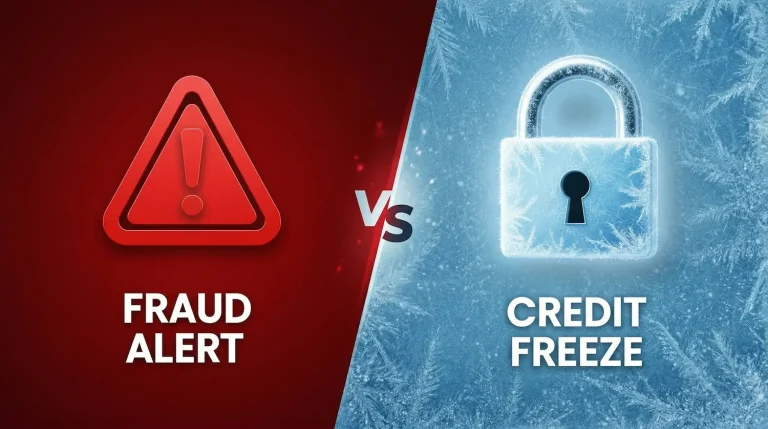
Should I File an Extended Fraud Alert or a Credit Freeze?
In addition to contacting the Identity Theft Resource Center, you should file a fraud alert or a credit or security freeze with credit reporting agencies.
Both a fraud alert and a credit or security freeze are free. But there are important differences between these two options:
An extended fraud alert means a business must verify your identity before issuing new credit. An extended fraud alert, lasting seven years, is available only to victims of identity theft. To get an extended fraud alert, you’ll first need an Identity Theft Report, which you can create at IdentityTheft.gov.
A credit freeze generally stops all access to your credit report, while a fraud alert permits creditors to get your report as long as they take steps to verify your identity. A freeze is available to anyone, whether or not you are a victim of identity theft.
How to File a Credit Freeze
If you are not planning on using your credit for the foreseeable future (applying for a credit card, home mortgage, home equity line of credit, a car loan, or any other type of loan), you can freeze your credit report.
Unlike with a fraud alert, you must contact each credit bureau individually, as shown below. Filing a credit or security freeze is free.
Equifax – Equifax.com/personal/credit-report-services/credit-freeze/ – 800-685-1111
Experian – Experian.com/help – 888-EXPERIAN (888-397-3742)
TransUnion – TransUnion.com/credit-help – 888-909-8872
You’ll need to supply your name, address, date of birth, Social Security number, and other personal information.
After receiving your freeze request, each credit bureau will provide you with a unique PIN (personal identification number) or password. Keep the PIN or password in a safe place. You will need it if you choose to lift the freeze.
Taking the Next Step to Protect Your Finances
Filing a fraud alert or credit freeze is an important first line of defense, but it’s only one piece of the puzzle. These tools protect your credit report — they won’t catch unauthorized withdrawals from your bank account, suspicious investment activity, or scams targeting your everyday finances.
For comprehensive protection, consider monitoring all of your financial accounts, credit reports, and personal information in one place.
EverSafe’s platform analyzes activity across your accounts and institutions, alerting you and your designated trusted advocates to anything suspicious and providing expert support if issues arise. Start your free trial today and put daily monitoring across all three credit bureaus — Equifax, Experian, and TransUnion — to work for you and your family.
