
Quick Summary
|
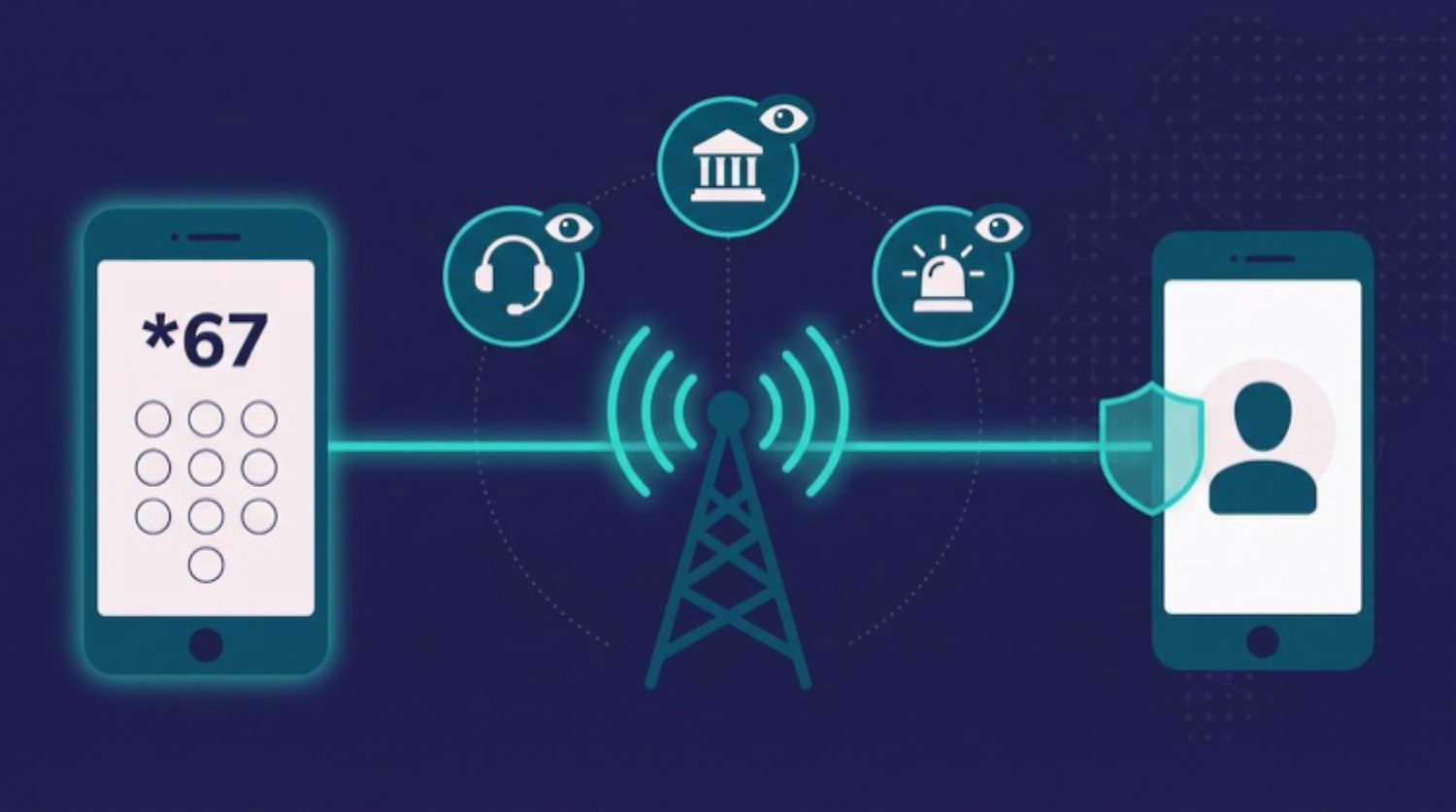
For decades, dialing *67 before a phone number has been the go-to trick for blocking caller ID on outbound calls. It’s simple, free, and widely known. But in 2026, *67 is no longer the privacy shield people expect.
Modern telecom networks, smartphones, and fraud‑detection systems have changed how caller ID works, and scammers are abusing *67 to exploit unsuspecting victims.
According to the Federal Communications Commission, scammers often use caller ID spoofing to make a call appear to come from a local number, a familiar company, or even a government agency. Even when scammers don’t use *67, you can’t always trust what looks like a valid caller ID.
For outbound calls, *67 works in some situations, fails in others, and is completely useless in many of the scenarios people care about most.
What Does *67 Do?
Dialing *67 before a phone number (e.g., *67‑555‑123‑4567) sends a ‘caller ID block’ request to the telecom carrier. If the carrier honors it, the recipient will see a message other than your number.
It does not, however, hide your number from the carrier, law enforcement, or the phone company. It only hides your number from the person you’re calling, and only if the telephone carrier system allows it.
When *67 Works
- Calling most landlines: Traditional landline systems still honor caller ID blocking.
- Calling most personal cell phones: If the recipient’s carrier allows caller ID blocking, your number will appear as “Private.”
- Calling people who do not use call‑screening apps: Basic phone setups respect *67.
- Calling outside your contact list: If you’re calling someone who doesn’t already have your number saved, *67 will hide it.
When *67 Does Not Work
- Calling 911: Emergency services always see your number.
- Calling toll‑free numbers (800, 888, 877, 855, etc.): *67 is completely ignored for toll‑free numbers.
- Calling scammers with call-center systems that allow them to override *67. The scammer wants to know who is calling, even if you use an alternative number to the one the scammer may have contacted you on.
- Calling businesses with call‑center systems: Many modern call‑center platforms (banks, insurance, utilities, IRS, Social Security, state agencies, unemployment offices) use technology that enables them to override *67. This is why when you call, they may already know who you are.
- Calling someone who has your number saved: If your number is saved in the contact list of the person you are calling, many phones will still show your name.
Step-by-Step Action Guide: What to Do When Receiving a Suspected Scam Call
- Do not answer or speak: If you don’t recognize the caller’s number, let it go to voicemail. Answering and speaking confirms that the number belongs to someone and the line is active. If you are not certain if a voicemail is a scam, forward it to EverSafe’s Scamwatch911 Service at 240.812.1849.
- Do not call back using *67: Dialing back – even with *67 – can expose your number to advanced systems or connect you to high-cost toll traps.
- Verify independently: If the caller claims to be from a bank, utility, or government agency, look up the official phone number on your bill, the official website, or the back of your credit/debit card and call them directly.
- Block and report: Use your smartphone’s built-in block feature or a carrier app to block the number, and report scam calls to the FTC.
| Method | Cost | Low (easily bypassed) | Best Used For |
|---|---|---|---|
| *67 Code | Free | Moderate to High | Quick, casual calls to private individuals |
| Google Voice/ VoIP Apps | Free/Low Cost | Moderate to High | Secondary phone line for online forms & callbacks |
| Burner/ Temporary Apps | Paid (~$5–$10/mo, or prepaid credits) | High | Short-term projects, online selling, or numbers you can discard when done |
| Carrier Call Blocking Apps | Free to $7/mo | N/A (Inbound filter) | Filtering and blocking incoming spam/scam calls |
In sum, *67 is a legacy privacy tool that still works in simple, person‑to‑person calling – but it fails in many modern environments. If you need real privacy, use a secondary number, a privacy-focused calling app, or a masked number like Google Voice, which is relatively easy to get.
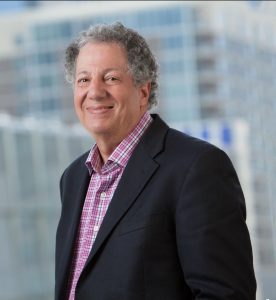
Howard Tischler, CEO
Howard is a veteran credit-industry executive with 25+ years of leadership experience across credit bureaus, loan decisioning technology, and consumer credit automation. He has served as CEO of First American CMSI, President of Teletrack, CEO of Credit Online (later merged with DealerTrack, where he was Lead Director for 15+ years), and is currently CEO of EverSafe. His career spans the full credit ecosystem – how credit data is created, analyzed, and deployed.
